About this research

SADA Ryuichi
- Graduate School of Medicine
- Endowed Chair Associate Professor

The Majority of Bacillus subtilis strains isolated from blood cultures are derived from traditional Japanese fermented soybeans Natto
- Genetic analysis revealed that the majority of Bacillus subtilis isolates recovered from blood cultures were derived from Bacillus subtilis var. natto.
- Although natto is known as a health-beneficial food, the proportion and severity of bloodstream infections caused by B. subtilis var. natto have remained unclear in conventional culture tests.
- Many of the B. subtilis isolates detected in blood cultures were derived from natto, and 36% were suggested to represent true infectious disease. These results highlight the importance of not dismissing B. subtilis detected in blood cultures as harmless contamination but instead investigating the infection source and proceeding with appropriate therapy are important.
Outlines
A research group including Endowed Chair Associate Professor Ryuichi Sada of Center for Infectious Disease Education and Research (CiDER) and the Graduate School of Medicine, The University of Osaka, together with researchers at Tenri Hospital, revealed that 69 of the 70 B. subtilis (99%) identified in blood cultures were derived from B. subtilis var. natto (natto bacteria) based on genetic analysis. Of these, 25 cases (36%) were confirmed as true bacteremia, and seven patients (28%) required urgent surgery or endoscopic procedures, while 4 (16%) died within 30 days.
While the health benefits of natto have attracted attention, there have also been case reports of bloodstream infections caused by natto-derived B. subtilis. Because distinguishing B. subtilis from B. subtilis var. natto requires genetic analysis, the proportion and severity of bloodstream infections caused by B. subtilis var. natto have remained unknown, as conventional culture tests cannot differentiate between them.
In this study, genetic testing was performed on positive blood culture samples obtained at Tenri Hospital, revealing that the vast majority of B. subtilis isolates were derived from B. subtilis var. natto.
The result indicates that when B. subtilis is detected in blood cultures, it should not be dismissed as harmless contamination simply because the natto strain comes to mind. Instead, it is important to investigate the infection source, and proceed with appropriate therapy.
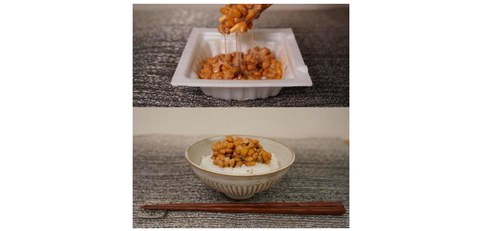
Fig. 1 Traditional Japanese fermented soybeans natto
Research Background
Natto is a traditional Japanese fermented food produced by fermenting soybeans with Bacillus subtilis var. natto. While the health benefits of natto have attracted attention, there have also been case reports of bloodstream infections caused by natto-derived B. subtilis. Because distinguishing B. subtilis. from B. subtilis var. natto requires genetic analysis, two key questions remained unclear:
1. What proportion of B. subtilis detected in blood cultures represents the natto strain (B. subtilis var. natto)?
2. How should the clinical significance of natto‑strain–positive blood cultures be assessed
Research Contents
The researchers analyzed cases of patients with B. subtilis isolated from blood cultures obtained at Tenri Hospital between 1 April 2016 and 31 March 2023. Genetic testing targeting specific mutations in the bioF and bioW genes was performed to 4634 positive blood cultures, and of these, 70 (1.5%) were identified as B. subtilis, with 69 (99%) classified as B. subtilis var. natto.
Furthermore, based on medical record review and predefined criteria, the research team determined whether each case represented true bacteremia or contamination, and of these, 25 cases (36%) were confirmed as true bacteremia. seven patients (28%) required urgent surgery or endoscopic procedures, while 4 (16%) died within 30 days.
Social Impacts
The result suggests that when B. subtilis is detected in blood cultures, clinicians should not assume harmless contamination simply because the natto strain comes to mind. Instead, it is important to investigate the infection source, assess disease severity, and proceed with necessary antimicrobial therapy or surgical/endoscopic intervention.
Notes
The article, “The Majority of Bacillus subtilis Strains Isolated From Blood Cultures Were Derived From Traditional Japanese Fermented Soybeans Natto: A Single-center Retrospective Study,” was published in British Journal of Scientific Reports at DOI: https://doi.org/10.1093/ofid/ofaf574.