About this research

NAKAMURA Shota
- Research Institute for Microbial Diseases
- Associate Professor

Enabling same-day comprehensive species identification of pathogens causing tuberculosis and pulmonary NTM disease
Expected to accelerate the diagnosis of rapidly increasing pulmonary NTM disease
- Developed a novel diagnostic method, NALC-Seq, using next-generation sequencing technology.
- Comprehensive identification of more than 180 species of Mycobacterium tuberculosis and nontuberculous mycobacteria (NTM), including subspecies-level classification, can be done on the same day of specimen collection.
- Although conventional identification methods require 1–6 weeks of culture and a combination of multiple tests, with the entire process sometimes taking up to two months, by eliminating the need for culture and directly identifying pathogens from sputum, the new method enables same-day diagnosis.
- The researchers identified an optimal specimen pretreatment method, NALC-NaOH, to improve diagnostic accuracy and resulted in higher accuracy of 90.5% in smear-positive specimens.
Outlines
A research group including Kazuki Hashimoto (doctoral student) and Kiyoharu Fukushima (Visiting Academic Staff) of the Department of Respiratory Medicine and Clinical Immunology, Graduate School of Medicine, The University of Osaka, Specially Appointed Assistant Professor (full-time) Yuki Matsumoto and Associate Professor Shota Nakamura of the Department of Infectious Disease Metagenomics, Research Institute for Microbial Diseases, The University of Osaka, in collaboration with Hiroshi Kida, Director of the Department of Respiratory Medicine at Osaka Toneyama Medical Center, has developed a novel diagnostic method for mycobacterial infections, called NALC-Seq, using next-generation sequencing (Fig. 1).
Mycobacteria comprise a group of bacteria that includes Mycobacterium tuberculosis, the causative agent of tuberculosis, as well as more than 200 species of nontuberculous mycobacteria (NTM). Because the clinical symptoms and imaging findings of these infections can be similar, distinguishing between them is often challenging. In addition, because effective treatment options and prognosis vary among mycobacterial species and subspecies, accurate identification at the subspecies level is essential for providing appropriate treatment. However, conventional diagnostic methods have struggled to achieve both rapid, comprehensive, and subspecies-level identification, often requiring a combination of multiple tests resulting in considerable time and effort. Furthermore, because the number of mycobacteria present in sputum is extremely low, the bacteria must first be cultured using specialized media before identification of bacteria. However, many pathogenic mycobacteria grow very slowly, requiring 1–6 weeks of culture prior to identification, which has been a major challenge.
In this study, the researchers established the NALC-Seq method, using next-generation sequencing that enables comprehensive and subspecies-level identification of the Mycobacterium tuberculosis complex and 175 NTM species directly from sputum samples without culture. To maximize diagnostic accuracy, the research team also evaluated specimen pretreatment procedures and found that the NALC-NaOH method is particularly effective for this analysis. This optimization enabled a high diagnostic accuracy of 90.5% in smear-positive specimens and reduced the time to results to within one day of sample collection. If the result of this study becomes widely adopted in clinical frontlines, it will enable the simultaneous differentiation of clinically important tuberculosis and the early diagnosis and start of treatment for NTM diseases. The ability to reduce identification times from the 1–2 months required by conventional methods to less than a day is expected to revolutionize infectious disease diagnosis.
Fig. 1 Establishment of a direct identification method for mycobacteria from sputum using next-generation sequencing
Credit:
Shota Nakamura
Research Background
Pulmonary NTM disease is a chronic, progressive, and difficult-to-treat respiratory infection that is increasing worldwide, with particularly high prevalence in Asia, including Japan. In Japan, the incidence of pulmonary NTM disease increased 2.6-fold over the seven-year period from 2007 to 2014, reaching a level that now exceeds that of pulmonary tuberculosis (TB). Against such background, there is an urgent need for the development of rapid diagnostic methods. There are two major challenges in the diagnosis of pulmonary NTM disease. The first one is that obtaining a definitive diagnosis requires considerable time and effort.
Sputum samples collected from patients are first liquefied and homogenized using semi-alkaline protease (SAP) treatment, followed by decontamination procedures, such as N-acetyl-L-cysteine–sodium hydroxide (NALC-NaOH) or acid treatment, before being subjected to culture testing. Culture testing is conducted using either the Mycobacterial Growth Indicator Tube (MGIT) system, a liquid culture method, or Ogawa medium, a solid culture medium. Confirmation of mycobacterial growth requires approximately 2–4 weeks with the MGIT method and 4–8 weeks with Ogawa medium. PCR- and TRC assays enable direct identification of NTM from sputum samples without the need for culture. However, these methods are limited to the detection of a limited number of target species and cannot comprehensively identify the more than 200 NTM species currently exist.
The second challenge is the limited range of species and subspecies that can be identified in routine clinical practice. Although identification of causative species and subspecies is essential for determining the appropriate treatment strategy, conventional diagnostic methods are unable to comprehensively and accurately identify NTM at the subspecies level. In particular, for pulmonary Mycobacterium abscessus disease, which has been increasing in recent years, current guidelines recommend subspecies-level identification of the causative organism and tailoring treatment accordingly. However, subspecies-level identification for individual patients is not easily available in most healthcare institutions. For example, MALDI-TOF MS, a method widely used for species identification in clinical laboratories, cannot accurately distinguish subspecies. As a result, separate subspecies identification assays are required following species-level identification. In addition, rapid and accurate differentiation between NTM disease and tuberculosis, which often presents similar clinical symptoms and radiographic findings, is critically important from a public health perspective. However, conventional diagnostic methods have struggled to achieve both comprehensive pathogen identification and rapid diagnosis.
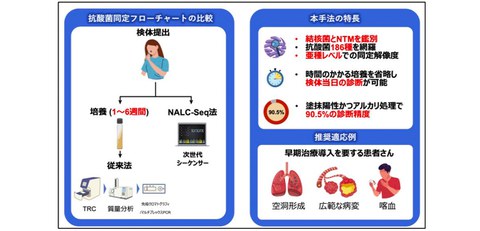
Fig. 2 Comparison of conventional methods and the NALC-Seq method
Credit: Shota Nakamura
Research Contents
The research group developed NALC-Seq, a method that enables comprehensive subspecies-level identification within one day of sputum submission. The method combines a large-scale genomic database covering 11 members of the Mycobacterium tuberculosis complex and 175 species of nontuberculous mycobacteria (NTM) with a target-capture sequencing technology that selectively increased and enriches mycobacteria-specific genes.
To evaluate the effectiveness of this method, a prospective test was conducted at Osaka Toneyama Medical Center (Fig. 2).
A prospective evaluation of 115 newly diagnosed or previously diagnosed TB/NTM disease cases and ten non-NTM cases demonstrated subspecies-level identification accuracies of 13.9% in smear-negative cases and 75.4% in smear-positive cases. Furthermore, the study revealed that NALC-NaOH pretreatment achieved higher accuracy than conventional acid treatment. Following this optimization, NALC-NaOH pretreatment resulted in higher accuracy (90.5%) in smear-positive cases. A smear-positive result indicates a high burden of mycobacteria in the body and is cited in clinical guidelines as an important indicator for the start of treatment. When combined with a compact next-generation sequencer capable of real-time analysis, NALC-Seq enabled diagnosis within 19 hours of sputum submission.
For patients at risk of rapid destruction of lungs accompanied by hemoptysis and cavity formation, NALC-Seq can differentiate tuberculosis from NTM disease and comprehensively identify NTM species on the same day that the specimen is collected. This capability is expected to be highly effective for starting the most appropriate treatment without delay.
Social Impact
By enabling the rapid and comprehensive identification of Mycobacterium tuberculosis and more than 180 NTM species within one day, NALC-Seq allows patients to receive both an early diagnosis and appropriate pathogen-specific treatment on the same day. Importantly, NALC-Seq can simultaneously differentiate tuberculosis, which requires isolation for public health reasons, and identify NTM subspecies that require therapeutic strategies, without waiting for culture results. This capability has significant implications for both preventing disease transmission and improving clinical outcomes.
In recent years, development and advances in next-generation sequencing technologies have led to the emergence of MinION, a compact sequencer capable of real-time sequencing, making rapid pathogen identification feasible. The method and optimized workflow developed in this study are readily deployable to these compact devices, allowing healthcare facilities without advanced laboratory infrastructure to obtain highly accurate subspecies- and strain-level information on NTM that could not previously be achieved with conventional diagnostic methods. By enabling insights into antimicrobial resistance and transmission dynamics, this approach is expected to make a substantial contribution to unraveling the still poorly understood mechanisms underlying NTM disease, ultimately helping to elevate the quality of infectious disease diagnosis and treatment worldwide.
Notes
The article, “Comparison of Culture and Culture-free Methods for Comprehensive Identification of Mycobacteria: A Single-Center Prospective Study,” was published in American Journal of Journal of Clinical Microbiology (Online)
