

Researchers uncover why immunotherapy for liver cancer works differently across patients
Toward blood-based prediction of treatment efficacy and personalization of treatment
- For the first time in the world, the researchers compared and elucidated the detailed immune mechanisms underlying blood immune cell responses to two standard combination immunotherapies for hepatocellular carcinoma.
- Atezolizumab plus bevacizumab (Atez/Bev) treatment was found to enhance innate immunity, driven by monocyte-mediated activation of NK cells.
- Durvalumab plus tremelimumab (Dur/Tre) treatment was found to depend on an adaptive immune network involving monocyte-mediated T-cell activation and greater pre-treatment T-cell diversity.
- The study identified candidate biomarkers capable of predicting treatment response from pre-treatment blood immune profiles, paving the way for more precise treatment selection for individual patients and more optimal use of healthcare resources.
Outlines
A research group including Specially Appointed Assistant Professor Akira Nishio (currently at JCHO Osaka Hospital) and Professor Takahiro Kodama (Department of Gastroenterology and Hepatology) of the Graduate School of Medicine, the University of Osaka, has revealed at the single-cell level how the systemic immune system responds to two major combination immunotherapies for advanced hepatocellular carcinoma(HCC), atezolizumab plus bevacizumab (Atez/Bev) and durvalumab plus tremelimumab (Dur/Tre), and where differences in treatment response arise.
Hepatocellular carcinoma (HCC) is a highly recurrent cancer with poor prognosis. In recent years, combination immunotherapies incorporating immune checkpoint inhibitors have become the first-line treatment for advanced disease. However, despite receiving the same treatment, some patients respond while others do not, and the reasons for these differences have remained unclear.
In this study, researchers conducted a detailed analysis of immune cells obtained from the blood of patients with advanced HCC using state-of-the-art single-cell RNA sequencing (scRNA-seq) and T-cell receptor (TCR) profiling, revealing immune characteristics that determine treatment responsiveness.
Atezolizumab plus bevacizumab (Atez/Bev) therapy exerts its antitumor effects primarily by enhancing innate immunity centered on activated NK-cell subsets (PRKCH-high NK cells) and monocytes. In contrast, durvalumab plus tremelimumab (Dur/Tre) therapy activates adaptive immunity through CD8⁺ T cells and dendritic cells, and was found to be more effective in patients with greater T-cell receptor (TCR) diversity. These findings provide the first evidence that the two therapies achieve antitumor efficacy by triggering fundamentally distinct immune pathways.
Furthermore, the researchers identified the potential to predict which therapy is more likely to be effective for individual patients by analyzing immune cell composition and T-cell receptor (TCR) diversity in blood samples collected before treatment. This finding represents an important step toward the realization of personalized immunotherapy, in which the most appropriate treatment can be selected for each patient.
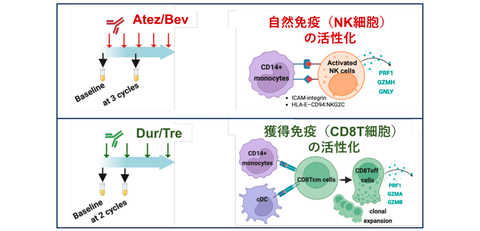
Fig. 1 Distinct mechanisms underlying the efficacy of immunotherapy for liver cancer
Responders to Atez/Bev therapy exhibited an innate immune response driven by monocytes and activated NK cells, whereas responders to Dur/Tre therapy showed an adaptive immune response marked by the activation and clonal expansion of dendritic cells and CD8⁺ T cells.
Credit: Takahiro Kodama
Research Backgrounds
Hepatocellular carcinoma (HCC) is one of the most lethal and difficult-to-treat cancers worldwide. For patients whose disease has already progressed at the time of diagnosis, systemic drug therapy plays a central role in treatment. In recent years, combination immunotherapies incorporating immune checkpoint inhibitors, including atezolizumab plus bevacizumab (Atez/Bev) and durvalumab plus tremelimumab (Dur/Tre), have been introduced in rapid succession, leading to dramatic improvements in the prognosis of patients with advanced liver cancer.
However, despite the efficacy of these therapies, only a subset of patients achieves durable treatment responses, while some patients fail to respond from the outset. Although multiple therapeutic options with distinct mechanisms of action are currently available in clinical practice, no reliable biomarker has yet been established to determine, before treatment initiation, which therapy is likely to be more effective for a given patient. Therefore, there has been an urgent need for scientific evidence to guide the optimal selection of therapeutic agents for individual patients.
Moreover, antitumor immune responses are complex processes that involve coordinated interactions between the tumor and the systemic immune system, rather than occurring solely within the tumor itself. In particular, peripheral blood mononuclear cells (PBMCs) serve as a real-time reflection of the body's systemic immune status and have attracted considerable attention as a minimally invasive target for biomarker development. However, it has remained unclear how these two therapies with distinct mechanisms of action differentially influence systemic immune cell populations and how such differences translate into treatment outcomes, including response and resistance.
Against this background, the research group aimed to use state-of-the-art single-cell analysis technologies to elucidate, at the cellular level, how immune cells throughout the body respond to treatment and to identify the type of patients who are most likely to benefit from the therapy.
Research Contents
In this study, the research team aimed to determine how two combination immunotherapies currently used as first-line treatments for advanced hepatocellular carcinoma (HCC), atezolizumab plus bevacizumab (Atez/Bev) and durvalumab plus tremelimumab (Dur/Tre), influence systemic immune cells and how these treatment-induced immune changes are associated with therapeutic response or resistance. To achieve this goal, the researchers performed a comprehensive immune profiling analysis using peripheral blood samples from patients by combining single-cell RNA sequencing (scRNA-seq) with T-cell receptor (TCR) repertoire analysis.
The researchers first conducted a comprehensive comparison of changes in major immune cell populations before and after treatment. This analysis revealed that CD14⁺ monocytes were the immune cell population showing the most pronounced changes in both treatment groups (Fig. 2, upper panel). However, the direction of these changes differed markedly between the two therapies.
In responders to Atez/Bev, CD14⁺ monocytes shifted toward an innate immune activation state characterized by enhanced antigen-presentation pathways, particularly MHC class II (MHC-II) molecules. In contrast, responders to Dur/Tre exhibited marked induction of type I and type II interferon responses and inflammatory pathways, indicating that these monocytes were reprogrammed toward a state that promotes the initiation of adaptive immunity (Fig. 2, lower panel).
Fig. 2 CD14⁺ monocytes reprogrammed into distinct immune pathways depending on the treatment regimen
In the Atez/Bev group, CD14⁺ monocytes were activated through antigen-presentation pathways centered on MHC class II (MHC-II) molecules, reflecting enhanced innate immune responses. In contrast, in the Dur/Tre group, interferon-response and inflammatory pathways were strongly induced in CD14⁺ monocytes, accompanied by a shift toward an adaptive immune phenotype associated with T-cell activation.
Credit: Takahiro Kodama
Next, the researchers analyzed the downstream lymphocyte populations activated by monocyte changes and found that, in responders to atezolizumab plus bevacizumab (Atez/Bev), NK cells acquired a potent cytotoxic molecule such as PRF1, NKG7, and GZMH. These findings indicate that interactions between monocytes and NK cells strongly activate the innate immune system. In contrast, in the Dur/Tre group, CD8⁺ central memory T cells (Tcm) transitioned into an effector-ready state equipped with effector functions. These cells were activated primarily through the adaptive immune response, receiving co-stimulatory signals from monocytes and conventional dendritic cells (cDCs) (Fig. 3).
Furthermore, responders to Dur/Tre exhibited a distinct T-cell receptor (TCR) repertoire dynamic, characterized by higher baseline TCR diversity prior to treatment and marked expansion of specific T-cell clones following therapy (Fig. 4). In contrast, resistance showed lower TCR diversity and little evidence of clonal expansion after treatment. Notably, this combination of high pre-treatment TCR diversity and robust post-treatment clonal expansion was not observed in the Atez/Bev cohort, indicating that it represents a distinct response pattern specific to Dur/Tre.
Fig. 3 Atez/Bev preferentially activates NK cells, whereas Dur/Tre predominantly activates CD8⁺ T cells
In responders, Atez/Bev induced a marked upregulation of cytotoxicity-related genes, including PRF1, NKG7, and GZMH, in NK cells, indicating strong activation of innate immune-mediated antitumor responses. In contrast, Dur/Tre led to a substantial increase in effector molecules such as PRF1 and GZMB in CD8⁺ T cells after treatment, reflecting immune activation predominantly driven by the adaptive immune system.
Credit:
These findings demonstrate that Atez/Bev and Dur/Tre achieve therapeutic efficacy through entirely distinct immune pathways: Atez/Bev activates innate immunity via the monocyte-NK cell axis, whereas Dur/Tre promotes adaptive immunity via the monocyte-T cell axis. Furthermore, in the Dur/Tre group, blood immune profiles, including pretreatment T-cell receptor (TCR) diversity, were closely associated with clinical response, highlighting their potential as predictive biomarkers for treatment efficacy based on pre-treatment blood tests.
Fig. 4 Responders to Dur/Tre exhibited higher pretreatment T-cell receptor (TCR) diversity and expansion of specific T-cell clones after treatment. This combination of high pretreatment TCR diversity and post-treatment clonal expansion was not observed in Atez/Bev responders, indicating a response pattern unique to Dur/Tre.
Credit: Takahiro Kodama
Social Impacts
This study provides important clues for identifying, before treatment, which patients are more likely to benefit from Atez/Bev and which are more likely to respond to Dur/Tre. In the Atez/Bev group, activation of innate immunity, particularly the monocyte-NK cell axis, was associated with treatment response. In contrast, response to Dur/Tre was associated with adaptive immunity, including CD8⁺ T cells, as well as pretreatment T-cell receptor (TCR) diversity.
These immune parameters are expected to serve as non-invasive biomarkers that can be measured from blood samples, contributing to more precise treatment selection and the optimization of healthcare resources.
Notes
The article, “Systemic immune profiling uncovers divergent mechanisms and predictive biomarkers of response to combination immunotherapies in hepatocellular carcinoma,” was published in Journal for ImmunoTherapy of Cancer(JITC)at DOI: https://doi.org/10.1136/jitc-2025-013648
